
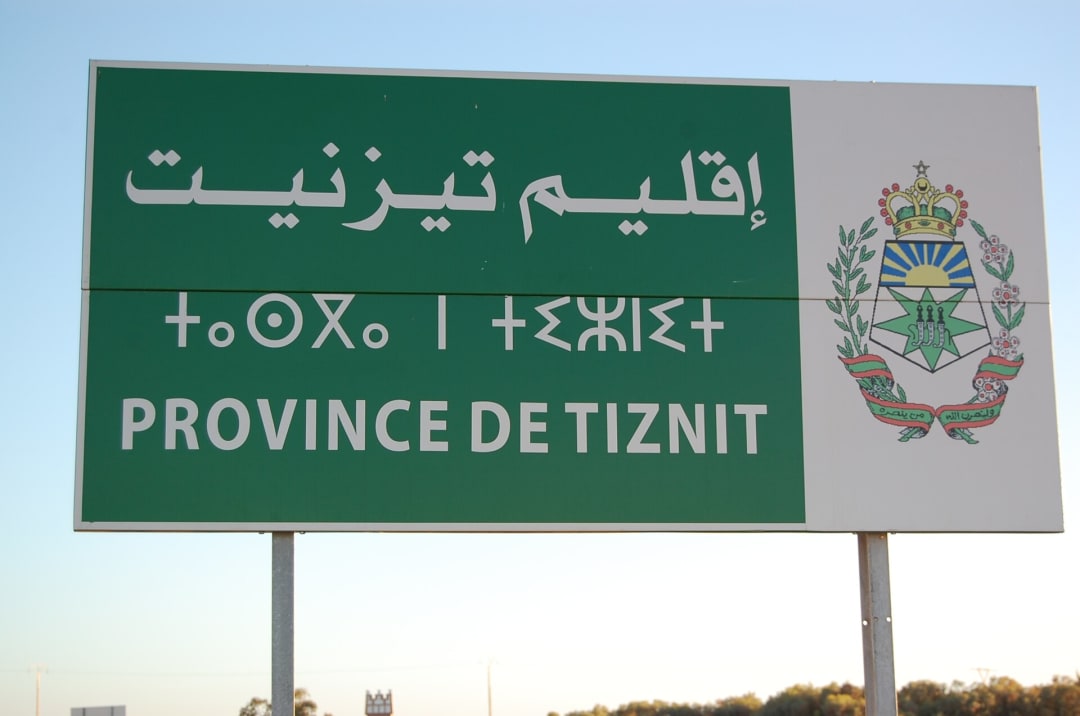
As soon as you leave Marrakech for the mountains, you enter Amazigh country. Road signs are written in three alphabets, mud-brick villages take on the colour of the earth, and people greet you with “azul” rather than “salam”. Who are the Amazigh people, also called Berbers? Which tribes live in the High Atlas? What traditions can you discover as a traveller, and how do you do so respectfully? Here are the keys to understanding the culture you will meet on every day trip from Marrakech.
Amazigh or Berber?
Both words refer to the same peoples, present in North Africa long before the Arabs arrived in the 7th century. “Berber” comes from the outsider’s view, Greek, then Latin and Arabic. “Amazigh” (plural Imazighen) is the name these peoples give themselves, often translated as “free person”. In Morocco, a large part of the population has Amazigh roots, and many families still speak an Amazigh language at home, especially in the mountains and the Souss.
Three main languages in Morocco
- Tarifit, in the Rif, in the north.
- Central Atlas Tamazight, in the Middle Atlas and part of the eastern High Atlas.
- Tashelhit, in the western High Atlas, the Anti-Atlas and the Souss plain: this is the language you will hear around Marrakech, from Imlil to Ourika, and all the way to Agadir and Tafraout.
Since the 2011 Constitution, Amazigh has been an official language of Morocco alongside Arabic. It is written in the Tifinagh alphabet, now seen on public buildings and road signs. And since 2024, Yennayer, the Amazigh New Year celebrated around 13 and 14 January, has been a national public holiday.
The tribes of the High Atlas
The High Atlas has historically been organised into tribes and confederations, each tied to a valley. The settled mountain people of the western Atlas belonged to the great Masmouda confederation, which in the 12th century gave rise to the Almohad dynasty, born in the village of Tinmel in the Nfis valley.
A few names you will hear while travelling:
- The Ait Mizane, whose valley leads from Asni to Imlil and the foot of Toubkal.
- The people of Ourika, who gave their name to the valley closest to Marrakech.
- The Glaoua, around Telouet on the Tizi n’Tichka road: their chief, the Glaoui, became pasha of Marrakech in the 20th century. Their kasbah can be visited; see our guide to Telouet and the Ounila valley.
- The Goundafa, who controlled the Tizi n’Test road south of Ouirgane.
- The Ait Atta, a great confederation of Jebel Saghro and the Saharan fringes, towards Merzouga.
- The Ait Haddidou, on the Imilchil plateau, famous for their engagement festival.
Today modern administration has replaced the tribal order, but belonging to a tribe and a village remains a strong identity, and collective mutual help, “tiwizi”, still organises the big jobs: harvest, upkeep of irrigation canals, building a house.
Traditions you can discover while travelling
Earth architecture
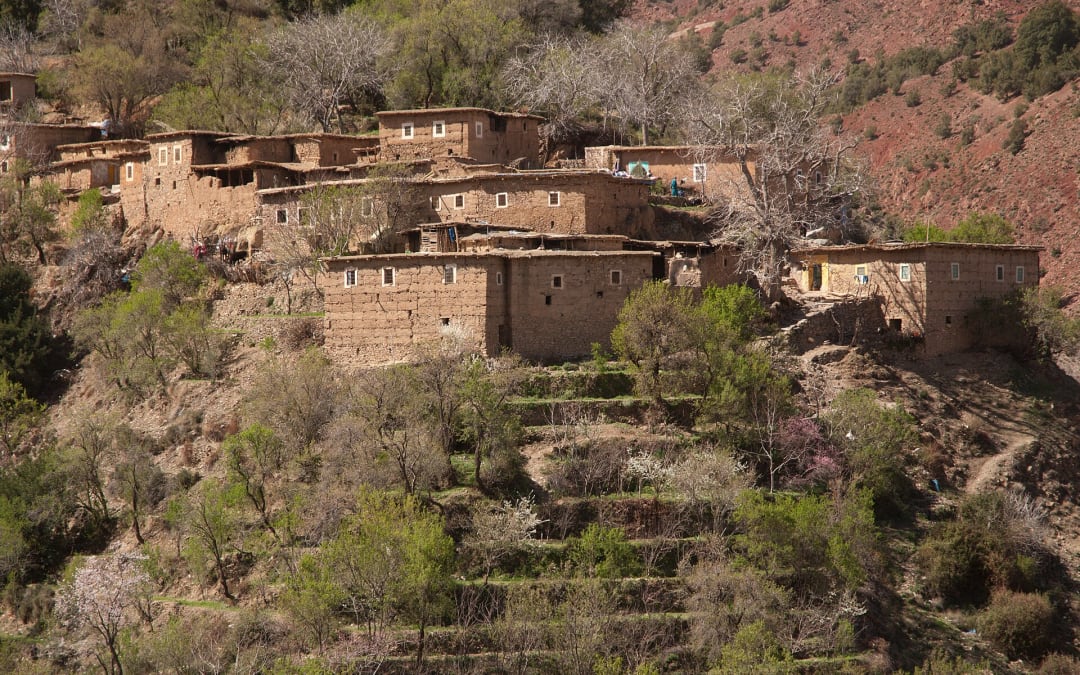
Mud-brick houses, collective granaries, kasbahs and ksour: Amazigh architecture uses earth, stone and walnut wood. Villages cling to the slopes to leave the flat land for crops. Our guide to visiting a Berber village near Marrakech takes you inside a family home.
Terraced farming and shared water
In the valleys, every drop counts. Canals, “seguias”, share the water of the torrents between families according to watering turns inherited from the elders. Threshing grain with mules on a stone floor is still practised in some villages in summer.
Music and dance: ahwach
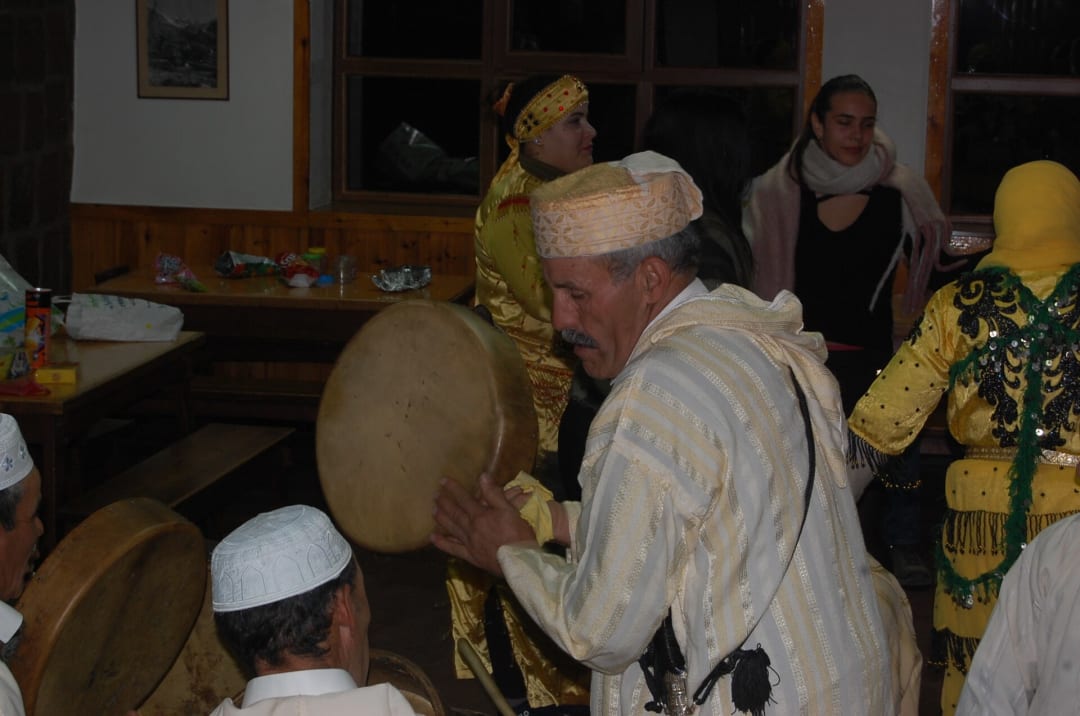
Ahwach is the great collective dance of the High Atlas and Anti-Atlas: men and women facing each other, frame drums, call-and-response singing late into the night at weddings and festivals. In the Middle Atlas it is called ahidous. Some Agafay dinners and riad evenings invite ahwach groups.
Rugs, jewellery and argan
Women weave rugs and blankets, each region with its own patterns. Silver jewellery, brooches and necklaces, made Tiznit’s reputation. And in the Souss, the know-how surrounding the argan tree, from harvest to oil, has been on UNESCO’s intangible heritage list since 2014: the women’s cooperatives of Ourika or the Essaouira road show every step.
Food
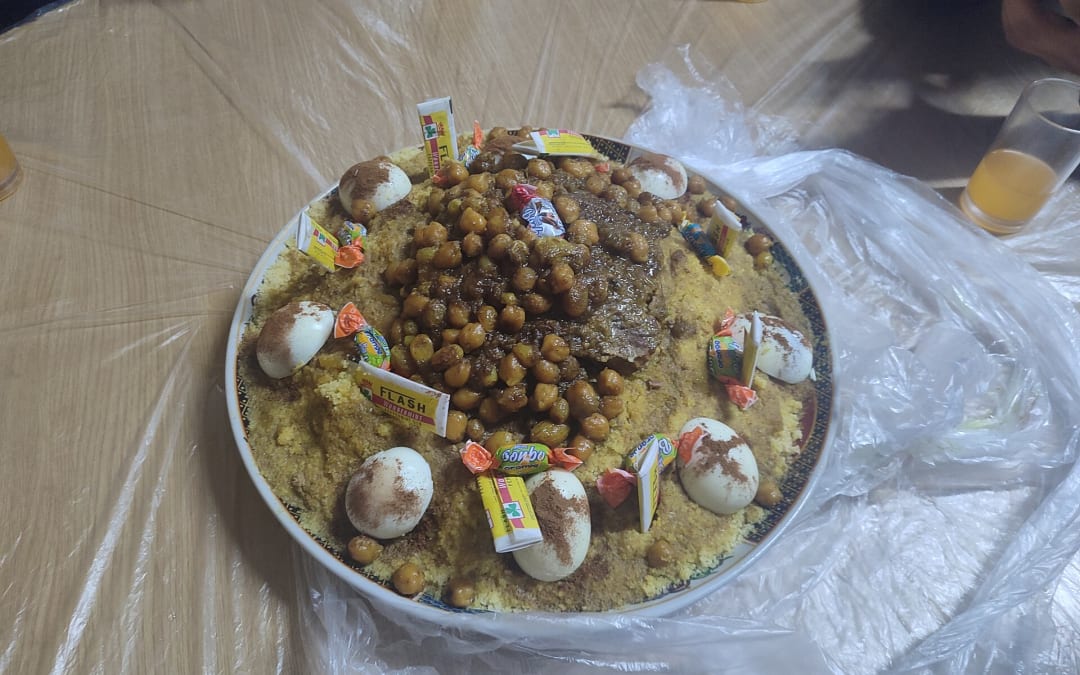
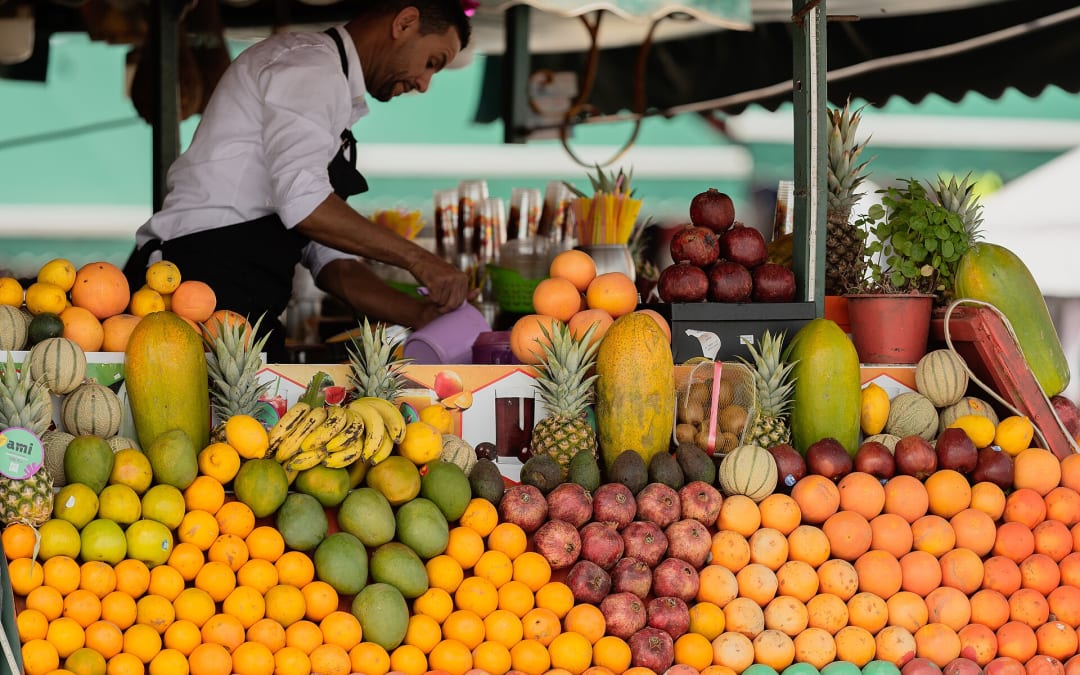
Bread baked in a clay oven, tagine simmered over embers, Friday couscous, barley soup, amlou made with argan oil, almonds and honey, and always mint tea, poured from high to make it foam. Sharing a meal with a family remains the best gateway into this culture.
Visiting respectfully
- Say hello: “azul” (hello) and “tanmirt” (thank you) in Tashelhit always bring a smile.
- Cover shoulders and knees, especially in villages.
- Ask before photographing anyone.
- Buy directly from cooperatives and craftspeople.
- After the 2023 earthquake that hit Al Haouz province, continuing to visit the valleys is one of the best forms of support. The Tinmel mosque, a badly damaged Almohad jewel, is being restored.
Where to discover Amazigh culture from Marrakech
| Outing | What you will see | Formula |
|---|---|---|
| Ourika Valley | Berber house, argan cooperative, Monday souk | Ourika day trip |
| Imlil and Aroumd | Terraced villages, mule trails | Imlil day trip |
| Asni and Ouirgane | Saturday souk, quiet villages | Asni and Ouirgane day trip |
| Telouet and Ait Ben Haddou | Glaoui kasbahs, listed ksar | Ait Ben Haddou day trip |
To pick the right market day, see our calendar of weekly Berber markets around Marrakech.
In short
The Amazigh are Morocco’s first inhabitants, and their culture is alive: an official language, the Tifinagh alphabet, tribes attached to their valleys, ahwach, rugs, argan and hospitality. In one day from Marrakech you can discover it in Ourika, Imlil or Asni, as long as you take time for tea and a few words of Tashelhit. To keep exploring: Yennayer, the Amazigh New Year, our Darija and Tamazight phrasebook and the story of Gnawa music.