In Morocco you can travel in French or English almost everywhere. But a few words of *Darija*, Moroccan Arabic, or of *Tamazight*, the Berber language of the mountains, change everything: a smile from a souk trader, a price that drops, a glass of tea offered in an Atlas village. Here are 60 genuinely useful words and phrases, sorted by situation, with simple pronunciation, plus the little secrets our drivers share with passengers right from the airport.
Which languages are spoken in Morocco?
- Darija, Moroccan Arabic, is the language of the street, from Marrakech to Tangier. It is very different from classical Arabic and borrows words from Berber, French and Spanish.
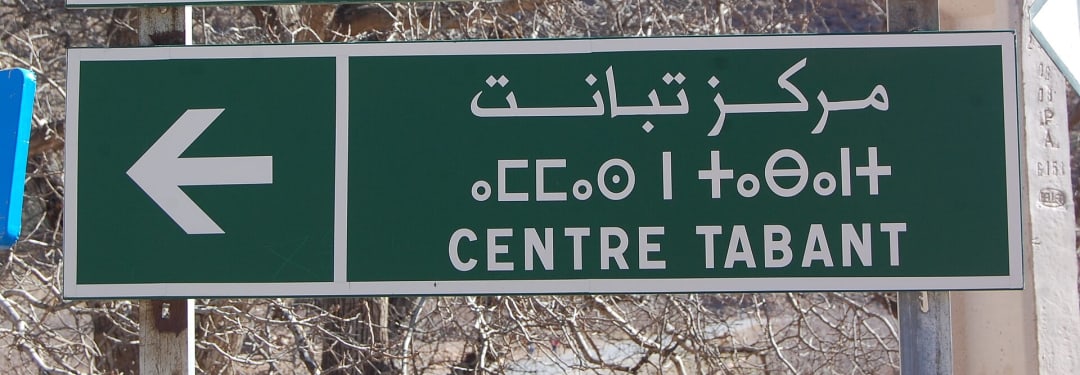
- Tamazight covers the Amazigh languages; around Marrakech, in the High Atlas and down to Agadir, people mostly speak Tashelhit. An official language since 2011, it is written in the Tifinagh alphabet.
- French is still widely used in administration, business and tourism; English is spreading fast among young people and in the travel industry.
How to read numbers inside words
On their phones, Moroccans write Darija in Latin letters, replacing some Arabic sounds with numbers. You will see them on shop signs and in WhatsApp messages:
- 3 is a deep “a” sound from the throat (*3afak*).
- 7 is a breathy “h” (*la7m*, meat).
- 9 is a “k” pronounced at the back of the throat (*9ahwa*, coffee).
- kh sounds like the Scottish “loch”, gh like a French rolled “r”.
Greetings and thanks
| Darija | Pronunciation | Meaning |
|---|---|---|
| Salam alikoum | sa-lam a-lee-koom | Hello (peace be upon you) |
| Wa alikoum salam | wa a-lee-koom sa-lam | Reply to “salam alikoum” |
| Sbah lkhir | sbah l-kheer | Good morning |
| Msa lkhir | msa l-kheer | Good evening |
| Labas? | la-bass | How are you? |
| Labas, lhamdoulillah | la-bass, l-ham-doo-li-lah | Fine, thank God |
| Shoukran | shoo-kran | Thank you |
| Shoukran bzzaf | shoo-kran b-zaf | Thank you very much |
| 3afak | a-fak | Please |
| Smhli | smeh-lee | Excuse me, sorry |
| Bslama | b-sla-ma | Goodbye |
| Mrhba bik | mer-ha-ba bik | Welcome |
Little words you will use all the time
| Darija | Meaning |
|---|---|
| Iyeh / Ah | Yes |
| La | No |
| La, shoukran | No thank you (the most useful phrase in the souk!) |
| Wakha | OK |
| Mashi mouchkil | No problem |
| Inshallah | God willing (and often: “maybe”) |
| Safi | That’s fine, that’s enough |
| Yallah | Let’s go |
| Shwiya shwiya | Slowly, little by little |
| Mzyan | Good |
In the souk: haggling with a smile
| Darija | Meaning |
|---|---|
| Bshhal? | How much? |
| Bshhal hada? | How much is this? |
| Ghali bzzaf | Too expensive |
| Nqes shwiya | Lower it a bit |
| Akhir taman? | Is that your last price? |
| Bghit… | I want… |
| Ma bghitsh | I don’t want it |
| Ghir kanshouf | I’m just looking |
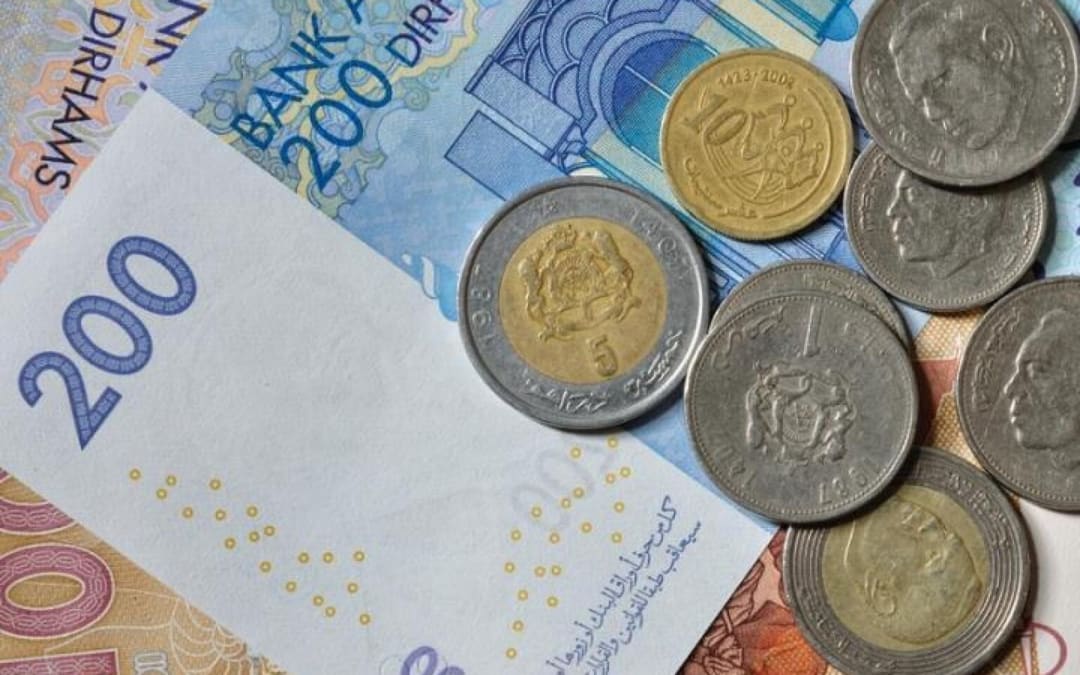
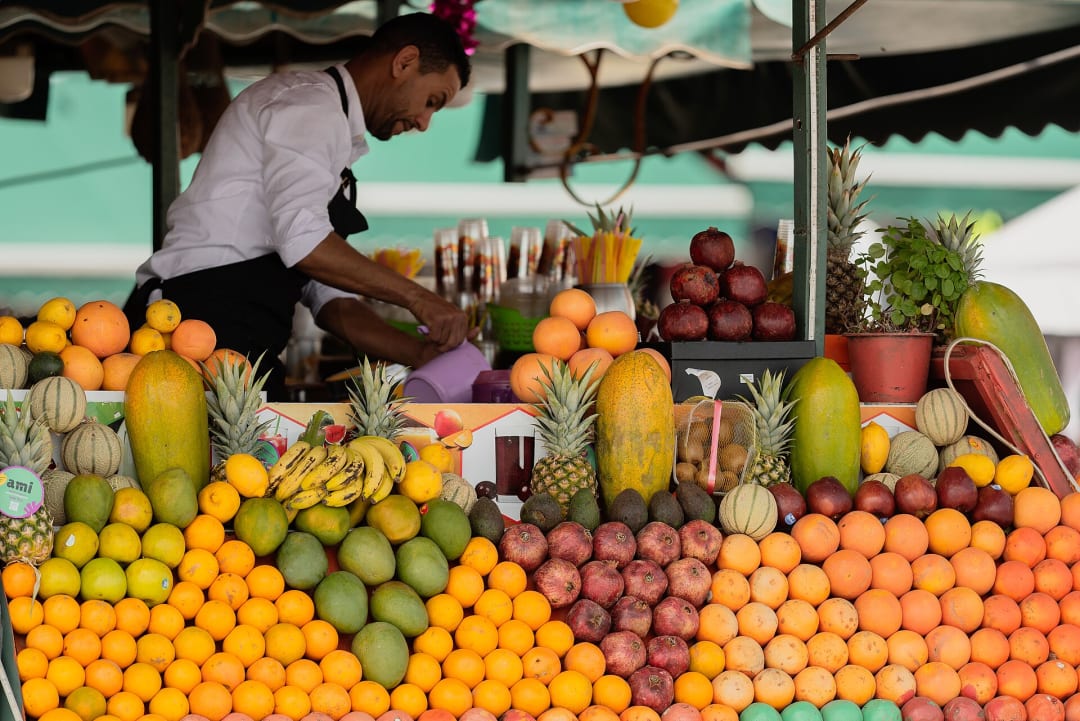
The rial trap. In the souks, many traders still count in *rials*: 1 dirham = 20 rials. When someone says “mya”, a hundred, it may mean 100 dirhams… or 100 rials, which is 5 dirhams! Always ask “dirham?”. For good habits, read our guide to the Marrakech souks and our Marrakech budget guide.
At the restaurant and café
| Darija | Meaning |
|---|---|
| Atay | Tea (mint tea) |
| Qahwa (9ahwa) | Coffee |
| Lma | Water |
| Khobz | Bread |
| Bla sokkar | Without sugar |
| Bnin! | Delicious! |
| Shb3t | I’ve eaten well, I’m full |
| Lhsab, 3afak | The bill, please |
In a taxi and on the street
| Darija | Meaning |
|---|---|
| Fin kayn…? | Where is…? |
| Wash kayn…? | Is there…? |
| Limen / Lisser | Right / Left |
| Nishan | Straight on |
| Hna | Here |
| Wqef hna, 3afak | Stop here, please |
| Dir lcompteur, 3afak | Turn on the meter, please |
| Lmatar | The airport |
For everything about fares, see our guide to Marrakech taxis. And if you would rather avoid any haggling on arrival, our airport transfer has a fixed price.
Counting from 1 to 10, and beyond
Wahed (1), jouj (2), tlata (3), rb3a (4), khamsa (5), stta (6), sb3a (7), tmnya (8), tes3oud (9), 3ashra (10). Then 3ashrin (20), khamsin (50), mya (100). With numbers, you will understand prices, times and the stall numbers on Jemaa el-Fna.
A few words of Tamazight (Tashelhit) for the Atlas
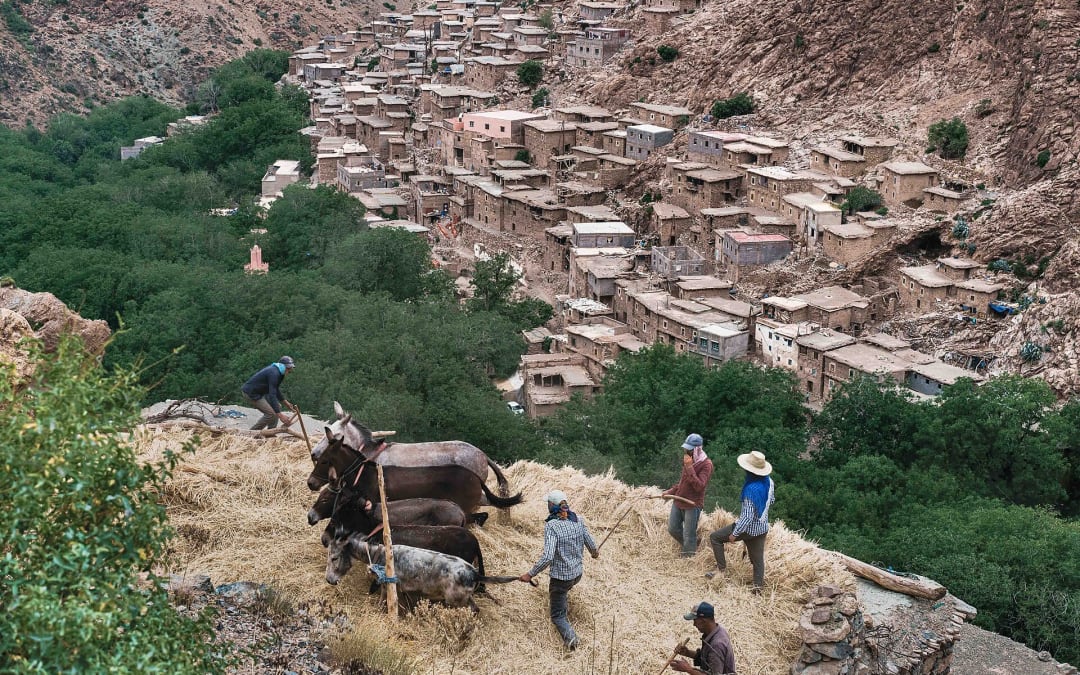
In the villages of Ourika, Imlil or Asni, a few words of Tashelhit always go down well:
- Azul: hello.
- Manzakin?: how are you? People often answer “labas”.
- Tanmmirt: thank you (in the Middle Atlas, people tend to say *ayyuz*).
- Asggas amggaz: happy new year, for use around Yennayer, the Amazigh New Year.
- Atay: tea, as in Darija.
The symbol ⵣ you will see on flags and walls is the Tifinagh letter *yaz*, emblem of the Imazighen, “the free people”. To put these words into practice, go and visit a Berber village near Marrakech or book our Imlil day trip.
Good manners that go with the words
- Always greet people before asking for anything, even directions.
- Give and receive with your right hand.
- A polite refusal (“la, shoukran”) is enough; there is no need to justify yourself.
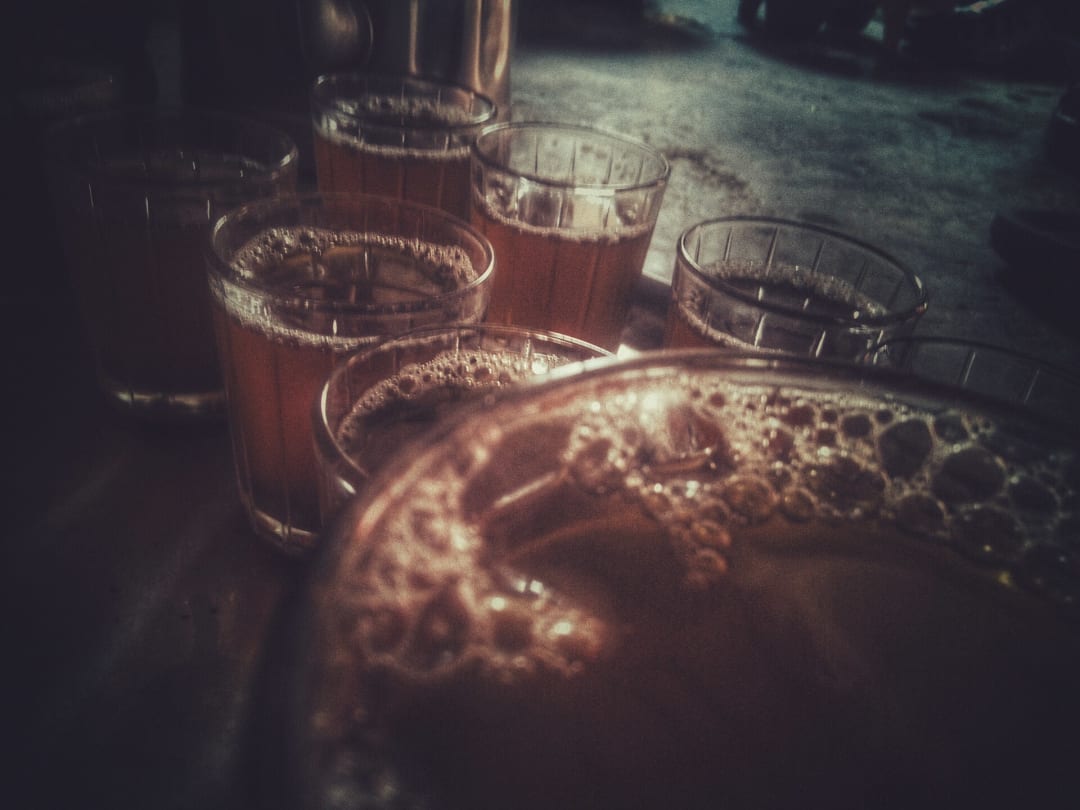
- Tea that is offered is drunk, at least one glass: refusing can cause offence.
In short
A few words of Darija (salam, shoukran, 3afak, bshhal, la shoukran) and Tashelhit (azul, tanmmirt) open many doors in Morocco. Remember the rial trap, the 3, 7 and 9 in text messages, and the tea you never refuse. For a trip without language barriers, contact us: our drivers speak French and/or English as well as Arabic, and often Tashelhit.