
The hammam is one of the most Moroccan experiences there is, and one of those that intimidate travellers most. What happens once you are through the door? Do you have to get completely undressed? A neighbourhood hammam or a riad spa? How much should you pay, what should you bring, and how do you avoid any faux pas? Our drivers, who go to the hammam every week like most people in Marrakech, explain everything, from the black soap to the glass of tea at the end.
The hammam, a Moroccan institution
Heir to the Roman baths and the bathhouses of the East, the hammam is far more than a place to get clean: it is a social ritual, where neighbours meet, weddings are prepared and a long week is washed away. In the medina, each neighbourhood has its own, often built near the mosque, the bread oven and the fountain: the five basic services of traditional life.
The best-known living example is the Mouassine hammam, attached to the Saadian mosque of the same name built in the 16th century: it still welcomes the residents of the area. The heat of the hammams is also used for cooking: tanjia, Marrakech’s signature dish, slowly cooks in the embers of their furnace, as we explain in what to eat in Marrakech.
How a session works, step by step
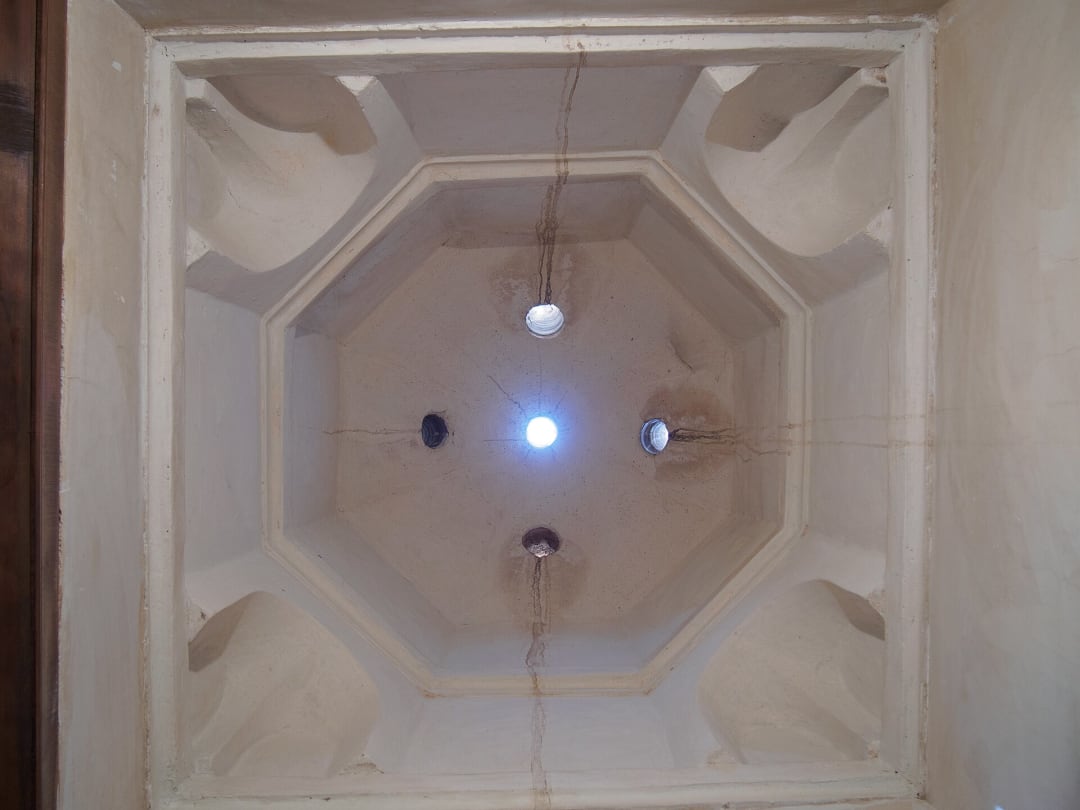
A traditional hammam almost always follows the same route through three rooms, each hotter than the last:
- The changing room. You undress but keep underwear or a swimsuit on; you leave your belongings with the attendant or in a locker.
- The warm room to get used to the heat, then the hot room, thick with steam. You sit on the tiled floor, fill buckets with hot and cold water from the taps, and gently pour it over yourself.
- The black soap. You cover yourself with *savon beldi*, a brown paste made from olive oil, and leave it for a few minutes to soften the skin.
- The scrub. With the *kessa*, a rough mitt, you scrub, or get scrubbed by the *kessala* (for women) or the *kessal* (for men). It is vigorous, and you literally see the dead skin come off: that is normal.
- Ghassoul, a clay from the Middle Atlas, is applied to the body or hair, then you rinse thoroughly.
- Rest. You pass back through the warm room, dress without hurrying, and drink tea or cool water before heading out.
Allow an hour for a traditional hammam, and an hour and a half to two hours for a spa ritual with a massage.
Neighbourhood hammam or spa hammam?
| Neighbourhood hammam (beldi) | Spa hammam (riad, hotel) | |
|---|---|---|
| Atmosphere | Authentic, lively, among locals | Intimate, calm, often private |
| Men and women | Separate: different hours or rooms | Often as a pair, couples possible |
| Scrub | By a kessala or kessal, ask at the entrance | Included in the ritual |
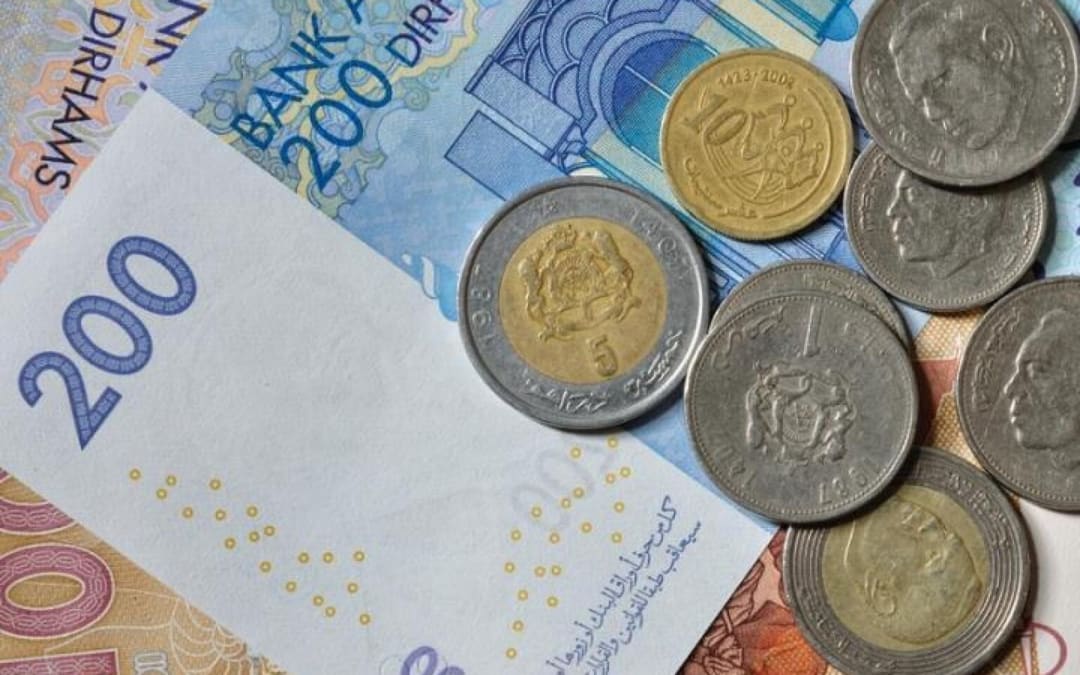
| Typical price | 10 to 25 MAD entry, 50 to 100 MAD for the scrub | 200 to 800 MAD and more depending on the package |
| Best for | Curious travellers, comfortable with crowds | First-timers, couples, travellers who want to unwind |
For a first time, many travellers start with a riad or spa hammam, then try the neighbourhood hammam at the end of their stay, often accompanied by someone from the riad. Both are worth it.
What should you bring?
For a neighbourhood hammam, come prepared: a towel, flip-flops, spare underwear, shampoo, a comb and a small bottle of water. Black soap, the mitt and ghassoul are often sold at the entrance or in the grocery next door; you will also find them in the souks, a nice souvenir idea (see our guide to the Marrakech souks). In a spa, everything is provided.
Hammam etiquette
- Modesty first: keep underwear or a swimsuit on, and do not stare at anyone.
- No photos, ever, in a public hammam.
- Share the space: do not monopolise a tap and avoid splashing your neighbours.
- Children are welcome in neighbourhood hammams with their parents.
- Health: the heat is intense. If you are pregnant or have heart or blood-pressure problems, ask a doctor first and choose a gentler spa hammam.
- After the hammam, avoid strong sun and long walks: it is time to rest.
When should you go?
Late afternoon, after a day in the medina or a day trip, is the perfect time. In winter, when nights are cool and riads are sometimes poorly heated, the hammam is pure bliss; in summer, go in the morning or choose an air-conditioned spa. After a day walking in the Atlas, nothing beats a hammam for relaxing your legs: think of it when you come back from the Ourika Valley or Imlil.
How much time should you plan?
Keep two hours including the journey. If your riad is in the medina, your host will point you to the nearest hammam and its hours for women and for men; if you are staying outside, a petit taxi or your driver will drop you there. The hammam fits nicely into a two-day Marrakech itinerary or a five-day one.
In short
A hammam means three hot rooms, black soap, a kessa scrub, ghassoul and tea to finish. The neighbourhood hammam costs a few tens of dirhams and immerses you in local life; the spa hammam offers a pampering ritual. To plan your stay, transfers and day trips around Marrakech, contact us.