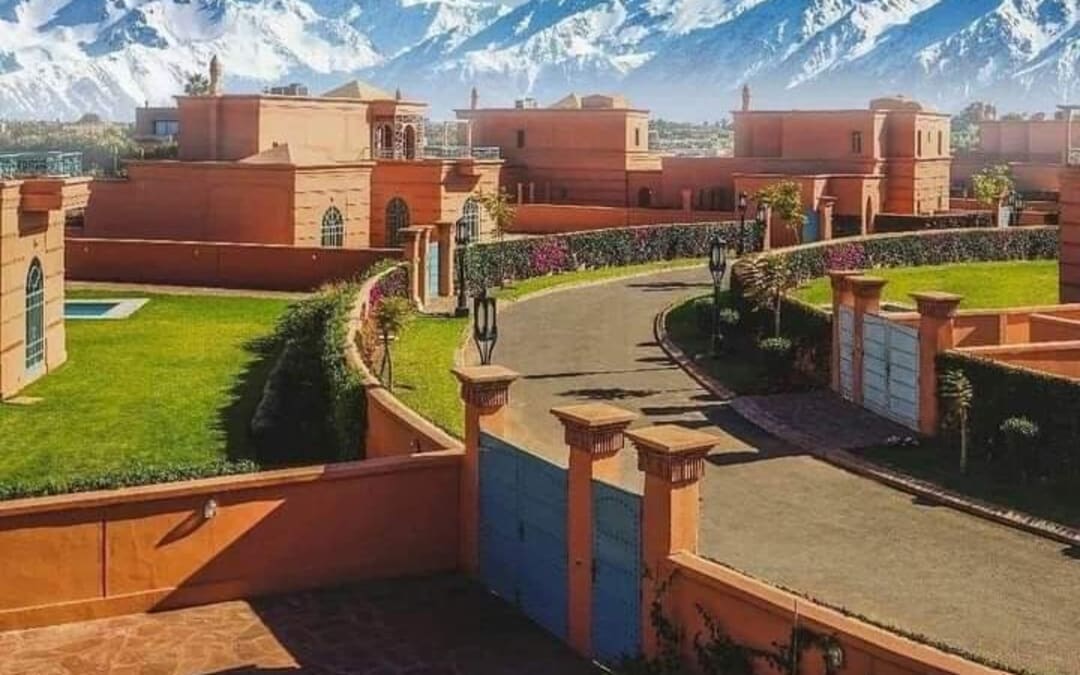

Two days are enough to see the essentials of Marrakech, as long as you do not rush everywhere. The simplest plan is to spend the first day in the historic medina and the souks, and the second in the new town and the gardens, finishing with a hammam. Here is the itinerary we suggest to our clients, with timings that dodge the crowds and the heat, and a few pitfalls most guides forget to mention.
Day 1: palaces, souks and Jemaa el-Fna
Morning: the south of the medina
Start with the Koutoubia, the great 12th-century minaret that serves as the city’s landmark. Non-Muslims cannot enter mosques in Morocco, but the surrounding gardens are worth a stroll, especially around 8:30 am when the light is soft and the streets still quiet.
Then head down to the Bahia Palace, a 19th-century complex of courtyards, zellige tiles and painted cedar ceilings. It opens early: arriving at opening time avoids the groups that turn up around 10 am. Next door are the Saadian Tombs, small but beautiful, then the ruins of the El Badi Palace, huge and open to the sky, where storks nest on the walls. Finish in the Mellah, the former Jewish quarter, and the nearby spice market.
Afternoon: the souks and the north of the medina
Have lunch on a terrace, then head into the souks north of Jemaa el-Fna: Souk Semmarine for textiles and babouches, the dyers’ souk for hanks of coloured wool, coppersmiths’ and woodworkers’ workshops. Two quiet stops in this area:
- Le Jardin Secret, a restored riad garden, perfect for a breather in the shade;
- the Ben Youssef Madrasa, a former Koranic school with carved stucco and wood, one of the finest monuments in the city.
Evening: Jemaa el-Fna
Head up to a café terrace overlooking the square for sunset, then go down when the grill stalls set up. It is noisy, smoky, touristy in places, and still unique. Keep your phone in your pocket in the crowd and politely decline snake charmers who put an animal on your shoulders and then ask for money.
Day 2: gardens, new town and hammam
Morning: the Majorelle Garden
The Majorelle Garden, with its famous blue, is the most visited place in Marrakech. Two tips that change everything: buy tickets online in advance, because entry is by time slot, and arrive at opening time. The Yves Saint Laurent Museum next door deserves another hour, even if fashion is not your thing.
The Gueliz district, the new town, is a few minutes away: cafés, galleries, designer shops and the small covered market for dried fruit.
Afternoon: the hammam
After a morning on your feet, a hammam is the best way to recover. Two very different options:
- the neighbourhood hammam, traditional and very cheap, where you bring your black soap and scrub mitt; authentic but disconcerting the first time;
- the spa hammam, more expensive, with scrub, wrap and massage, designed for visitors.
Late afternoon: the Menara or the Palmeraie
The Menara Gardens, with their large pool and pavilion in front of the Atlas, are pleasant at sunset. If you would rather leave the city, the Palmeraie suits a late-afternoon carriage or camel ride.
How much walking?
The first day is entirely on foot, easily 12 to 15 kilometres: good shoes are essential. The second day needs a few car journeys: medina to Majorelle (about ten minutes), Majorelle to Gueliz, then on to the Menara or the Palmeraie. A taxi works, as long as you negotiate or insist on the meter; we explain how in our guide to taxis in Marrakech. With children or older travellers, a private driver for half a day avoids any haggling.
Where to stay for this itinerary
A riad in the medina makes the first day very easy: everything is on foot, and you can go back to rest during the hottest hours. On the other hand, the alleys are noisy early in the morning, staircases are steep and cars cannot get close: arriving with suitcases means using a porter. Pick a riad near an accessible gate, such as Bab Doukkala or the Kasbah district, if you are travelling with children or lots of luggage.
A hotel in Hivernage or Gueliz gives you more space, often a pool, and easy car access. The second day then becomes almost walkable, but you will need a taxi to reach the medina on the first.
What about a guide?
For the first day, an official guide really adds something: the history of the palaces, how to read the decoration, workshops you would never find alone. Our Marrakech guided city tour covers the Koutoubia, the Bahia, Ben Youssef and the souks in half a day with a licensed guide.
If you have a third day
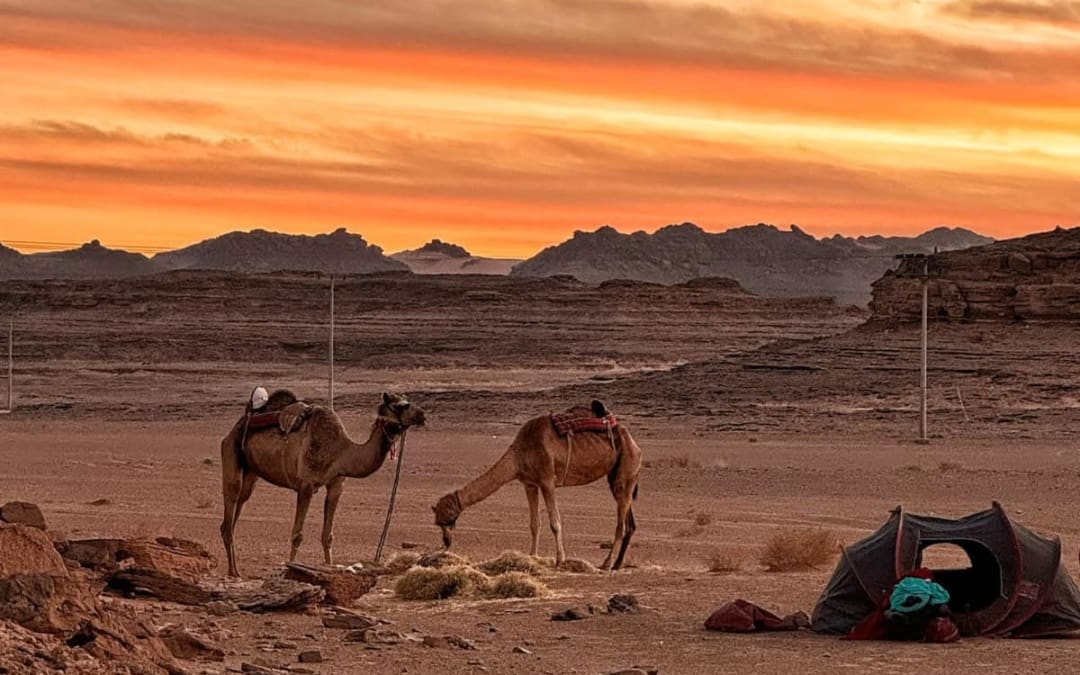
Get out of the city. A day in the Atlas, an evening in the Agafay desert or a day in Essaouira: our guide to the best day trips from Marrakech helps you choose by season. The Marrakech page also gathers practical information about the city.