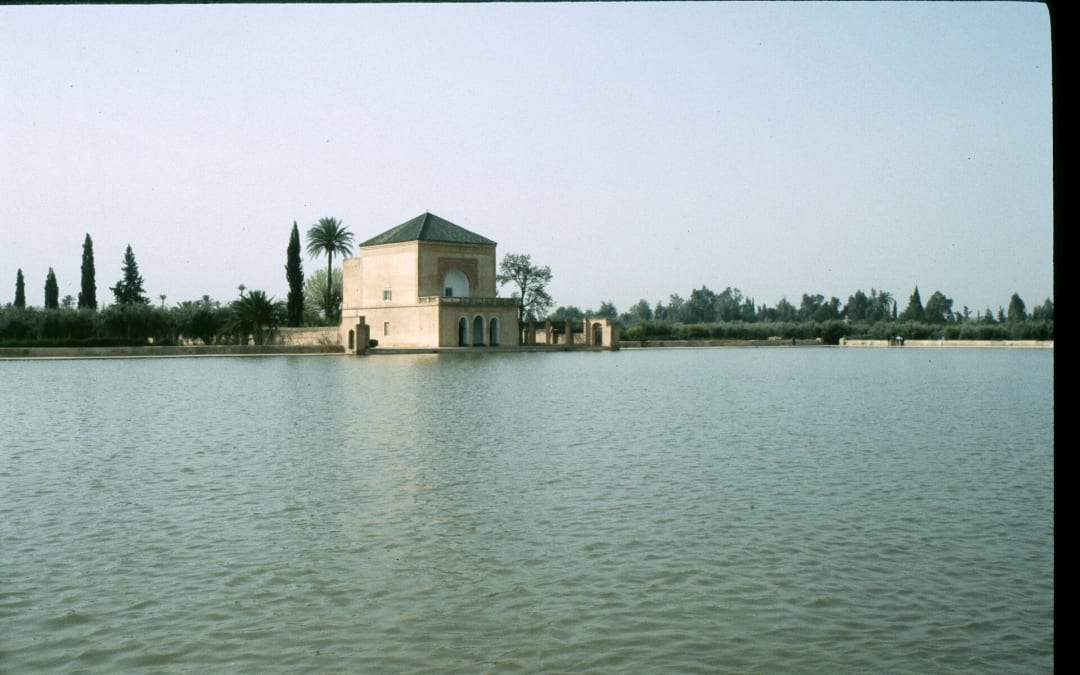
The same trip to Morocco can look completely different depending on the date: a quiet week in the Atlas, or a week when Essaouira throbs to the sound of the guembri, the Dades Valley smells of roses and Jemaa el-Fna square turns into an open-air cinema. Here is our calendar of the main celebrations and festivals from December 2026 to November 2027, around Marrakech, Essaouira, the High Atlas and the south, with the driving time from Marrakech for each one and our tips for enjoying it stress-free.
One word of caution first: festivals set their dates every year, sometimes only a few weeks ahead, and religious holidays follow the lunar calendar. The periods given here are those of the usual editions; always check the official dates before booking flights and hotels.
The dates that change everything: religious and public holidays
The Muslim calendar is lunar: every year, religious holidays move about 11 days earlier than the year before. For 2027, these are the expected dates, to be confirmed by the sighting of the moon:
- Ramadan: from around 8 February, for 29 or 30 days. Days are quiet, evenings very lively. See our guide to travelling in Morocco during Ramadan.
- Eid al-Fitr, the end of the fast: around 10 March 2027.
- Eid al-Adha, the feast of the sacrifice: around 16 May 2027. It is the big family celebration of the year: many Moroccans travel and shops close for one or two days.
- Islamic New Year: early June 2027; Mawlid, the Prophet’s birthday: around mid-August 2027.
Fixed public holidays include 1 January, 11 January, Yennayer, the Amazigh New Year, on 14 January, 1 May, Throne Day on 30 July, 14, 20 and 21 August, the Green March on 6 November and Independence Day on 18 November. Tourist sites usually stay open, but government offices and banks close. Details are in our guide to Eid and public holidays in Morocco.
December 2026 – February 2027: film, Amazigh New Year and a marathon
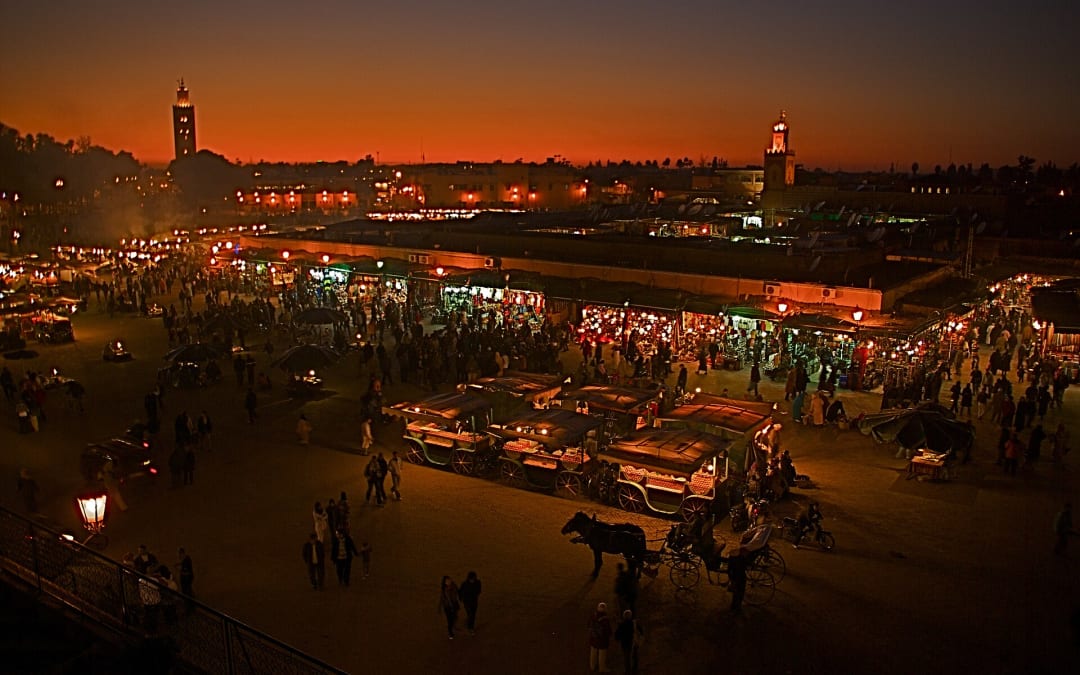
The Marrakech International Film Festival takes place every year at the end of the year, between late November and early December. International stars at the Palais des Congrès, but also free screenings for the public, notably on Jemaa el-Fna square: a unique experience, sitting among the people of Marrakech in front of a giant screen.
Christmas and New Year are high season in Marrakech: full riads, gala dinners in palaces, dinners under canvas in the Agafay desert. Book your return transfer in advance, as finding a taxi after midnight is a challenge: our advice is in Christmas and New Year in Marrakech.
Yennayer, on 14 January, opens the Amazigh farming year: family couscous, concerts and ahwach dances in the villages. We have a full guide to it: Yennayer, the Amazigh New Year.
The Marrakech International Marathon usually takes place in late January: a flat course between the medina, Hivernage and the Palmeraie, with the snowy Atlas as a backdrop. On race day, several main roads close in the morning, so allow extra time if you have a flight.
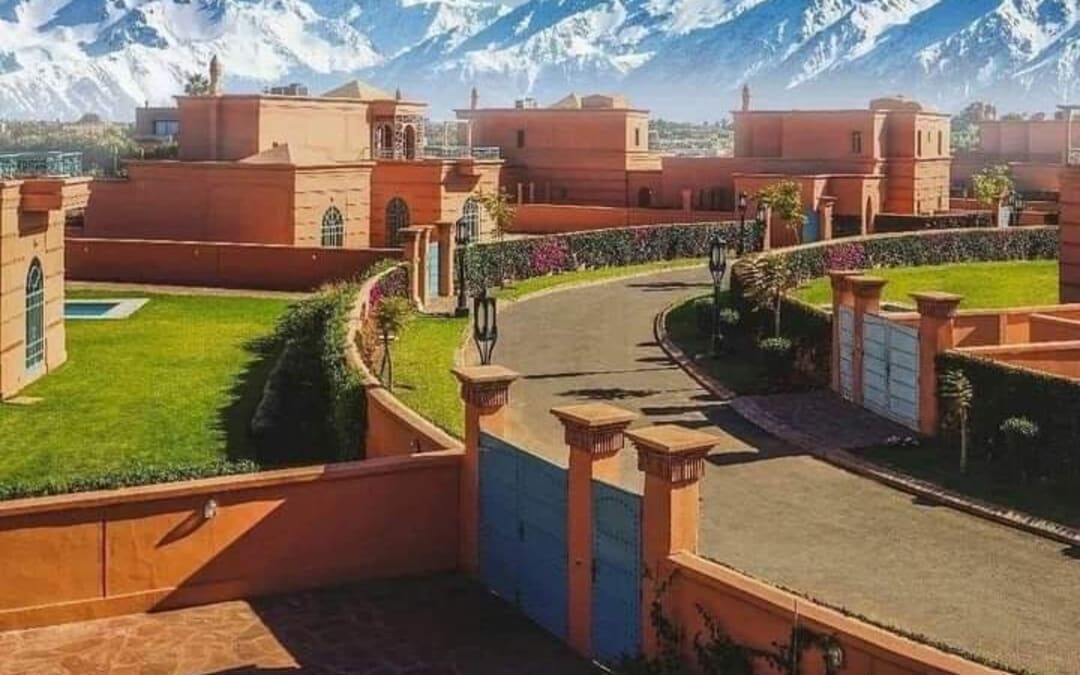
It is also the season of snow on the High Atlas and, from late January into February, of almond blossom in the valleys and around Tafraout. Our guide to the Atlas Mountains in winter tells you where to go and what to wear.
March – May 2027: spring, roses and fantasias
Spring is the most beautiful season inland: green valleys, full rivers and ideal temperatures. In Essaouira, the Printemps Musical des Alizés, a classical music festival, usually takes place between April and May.
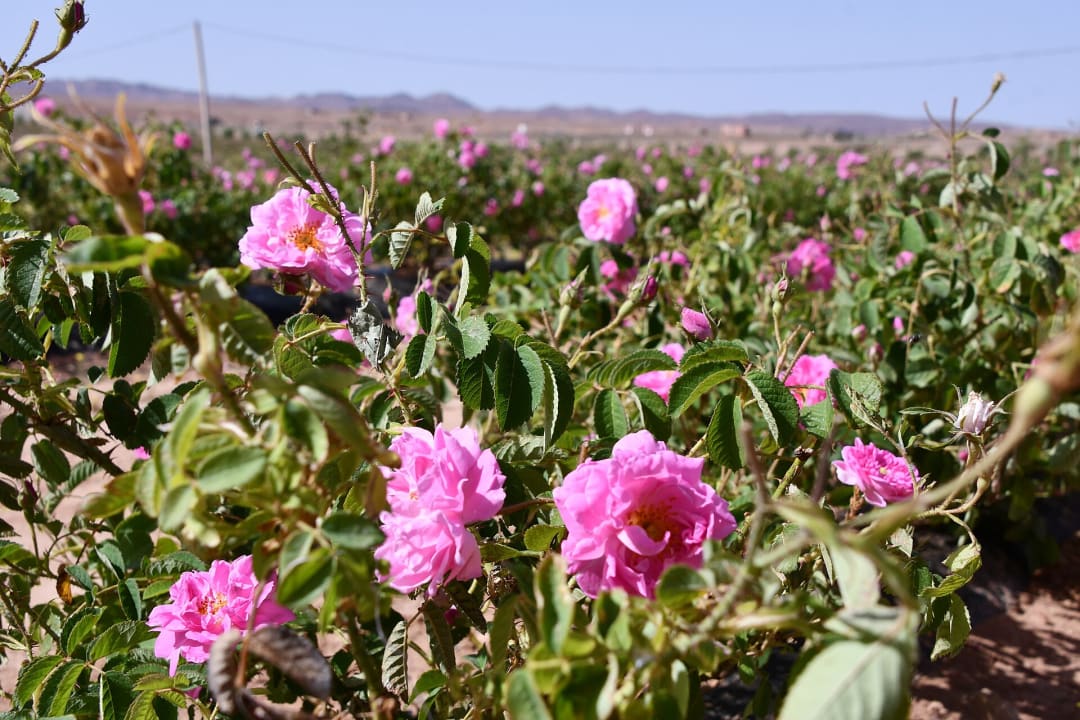
In May, the Kelaat M’Gouna Rose Festival in the Dades Valley celebrates the harvest of the Damask rose: a rosewater market, flower-covered floats and dancing. Allow about 5.5 hours’ drive from Marrakech over the Tizi n’Tichka pass: ideally, include it in a two or three-day tour via Skoura and the Valley of Roses.
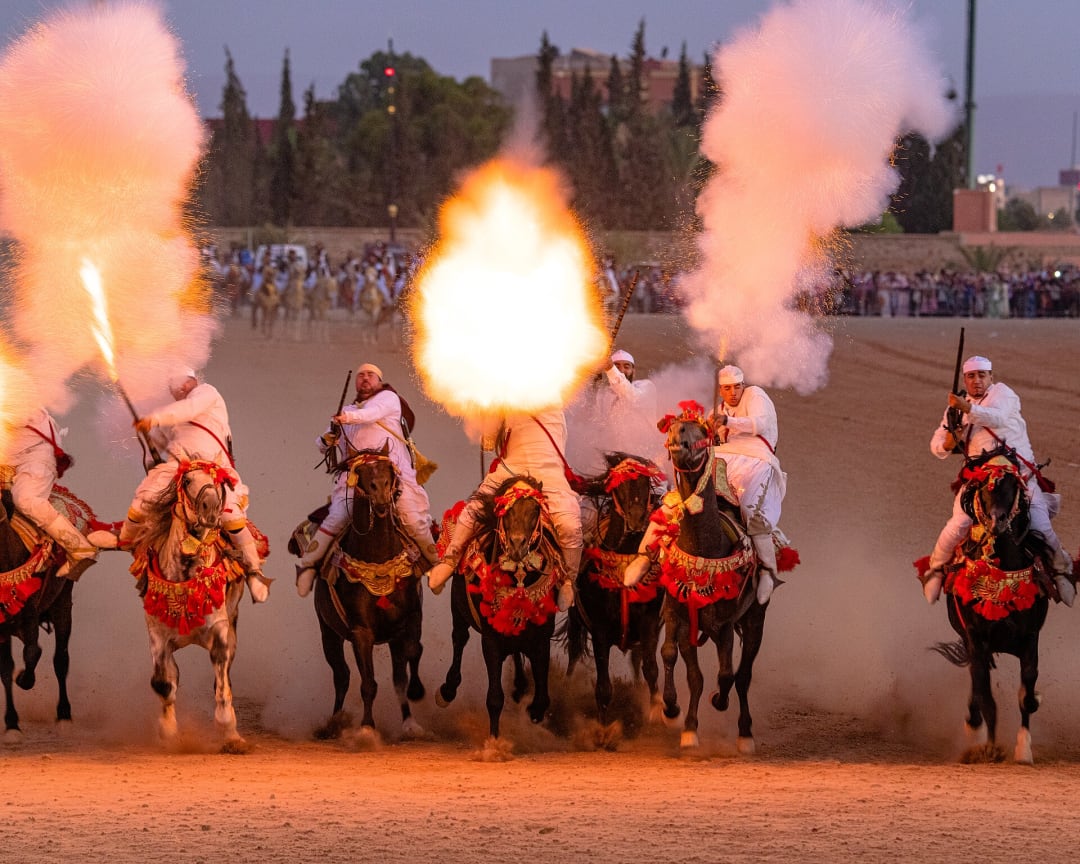
From April to autumn, moussems pop up all over the countryside: pilgrimages, huge souks and above all tbourida, the fantasia, in which galloping riders fire their powder rifles at the very same instant. Dates are announced locally, often at short notice: ask your driver whether he knows of one on your route.
June – August 2027: Gnawa music, folk arts and the mountains
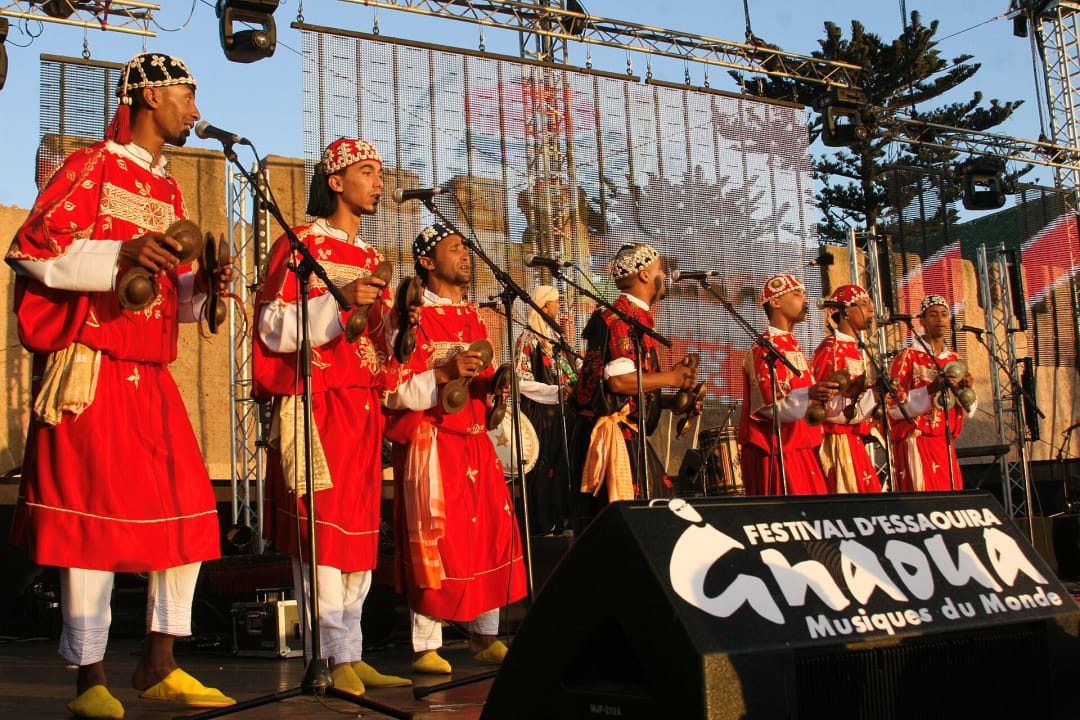
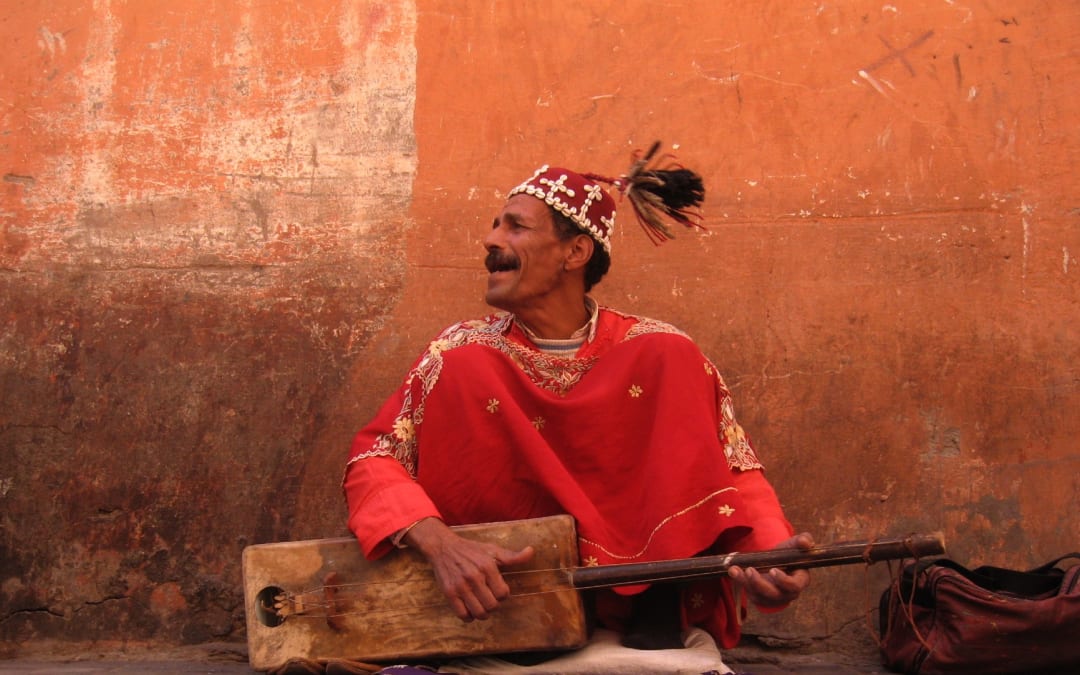
The Gnaoua and World Music Festival in Essaouira, usually in June, is the big event of the summer: free stages on the squares of the medina and on the beach, Gnawa maalems playing with jazz and world musicians, and a town partying late into the night. Essaouira is about 3 hours from Marrakech. During the festival, accommodation is snapped up: book several months ahead. To understand what you will hear, read our guide to Gnawa music.
In summer, the National Festival of Popular Arts brings folk troupes from all over the country to Marrakech, from Atlas ahwach to Saharan dances; it usually takes place in the setting of El Badi Palace. Throne Day, on 30 July, comes with celebrations nationwide.
In late July and August, the heat drives the people of Marrakech towards cooler air: in August, the Setti Fatma moussem, at the head of the Ourika Valley, mixes pilgrimage, souk and music, 1 h 15 from Marrakech. Our summer ideas are in Marrakech in summer.
September – November 2027: betrothals, dates and Andalusian music

At the end of summer, usually in late August or September, the Imilchil betrothal moussem gathers the Ait Haddidou on a plateau of the eastern High Atlas, above 2,000 m: market, costumes, music and ceremonies. Imilchil is a long day’s drive from Marrakech, so plan at least one night there.
In October, dates are harvested in the palm groves of the Draa and Tafilalet; the town of Erfoud, on the road to Merzouga, usually holds its date festival around then. A great excuse to add a stop to a 3-day Merzouga tour.
Between late October and November, Essaouira hosts the Andalousies Atlantiques, a festival of Arab-Andalusian music celebrating the town’s shared Muslim and Jewish heritage. And the year comes full circle with the return of the film festival in Marrakech.
The calendar at a glance
| Usual period | Event | Place | From Marrakech |
|---|---|---|---|
| Late Nov. – early Dec. | International Film Festival | Marrakech | In town |
| 31 December | New Year’s Eve | Marrakech, Agafay | In town / 45 min |
| 14 January | Yennayer | Everywhere, Atlas villages | 1 to 1.5 h |
| Late January | International Marathon | Marrakech | In town |
| About 8 Feb. – 9 March | Ramadan | Nationwide | — |
| April – May | Printemps Musical des Alizés | Essaouira | 3 h |
| May | Rose Festival | Kelaat M’Gouna | 5.5 h |
| June | Gnaoua Festival | Essaouira | 3 h |
| Summer | Popular Arts Festival | Marrakech | In town |
| August | Setti Fatma moussem | Ourika Valley | 1 h 15 |
| Late Aug. – September | Imilchil moussem | Eastern High Atlas | One day |
| October | Date festival | Erfoud | Desert tour |
| Late Oct. – November | Andalousies Atlantiques | Essaouira | 3 h |
Our tips for travelling during a festival
- Book early, both accommodation and transport: during the Gnaoua festival or New Year, everything is full weeks in advance.
- Fix your return times: with a private Marrakech – Essaouira transfer, your driver waits for you at the agreed time, even after a concert.
- Avoid driving at night on mountain roads or after a long day of celebrations.
- Check the official dates four to eight weeks before you leave, then again a few days before.
In short
Winter: film, New Year and Yennayer in Marrakech, snow on the Atlas. Spring: Dades roses and fantasias. Summer: Gnawa music in Essaouira and folk arts in Marrakech. Autumn: Imilchil, dates and Andalusian music. Pick your event, confirm its dates, then let us handle the road: contact us for a transfer or a tailor-made tour.