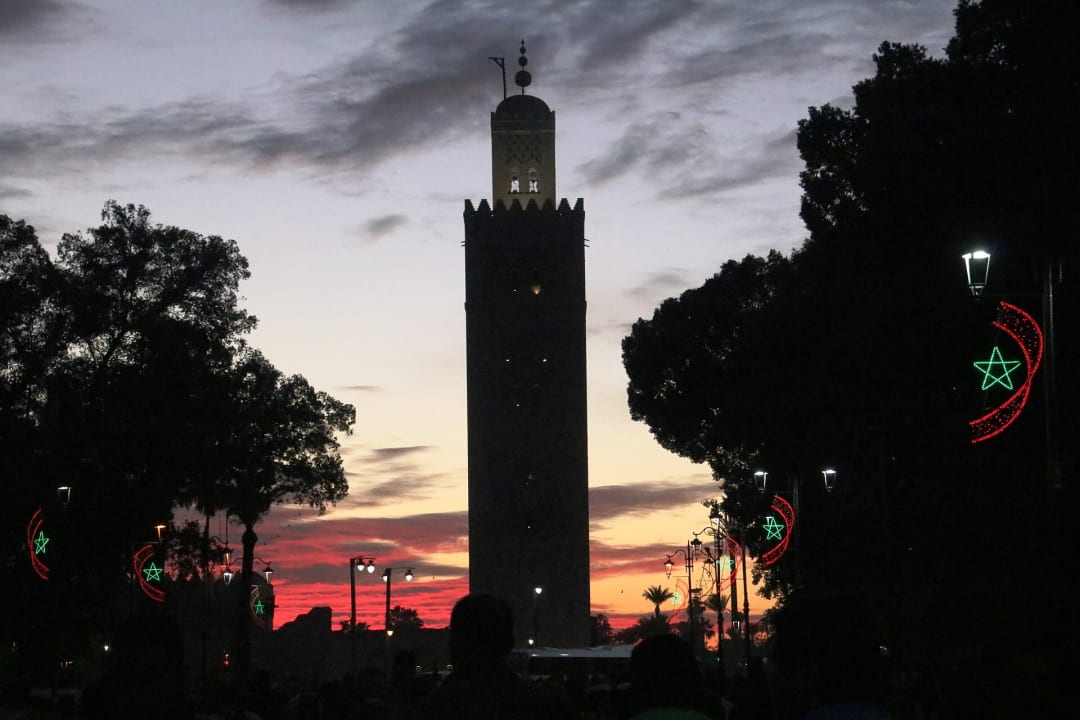
Should you avoid Morocco during Ramadan? We get this question every winter, and the answer is no. Hotels, riads, tourist restaurants, day trips and transfers all run throughout the month. The rhythm of the day does change, though, and knowing it helps you plan your journeys, avoid the rush hours and enjoy what makes this period special: the evenings. Here is what you need to know, from the experience of our drivers, who work right through the month.
Ramadan 2027 dates
Ramadan follows the lunar calendar and moves about eleven days earlier each year. In 2027 it is expected to begin around 8 February and end around 9 March, with the Eid al-Fitr holiday the following day. The exact dates depend on the sighting of the moon and are officially announced the evening before: allow a day of uncertainty at the start and the end.
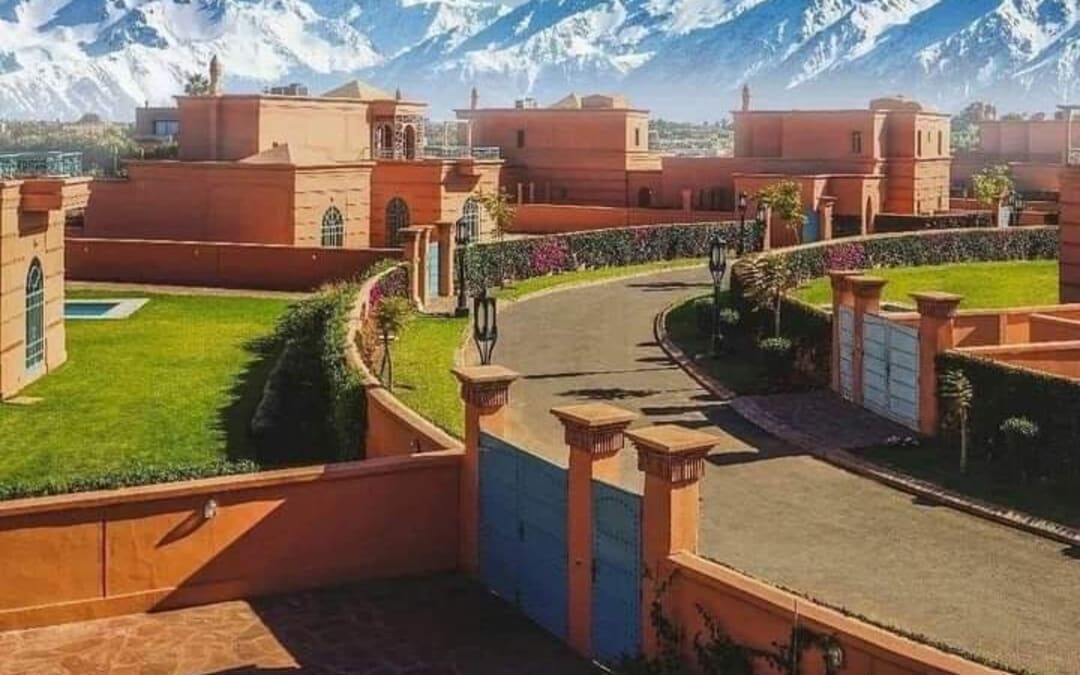
It is a good time to travel in southern Morocco: Marrakech is mild, nights are cool in the desert, and snow often covers the Atlas peaks. Our month-by-month guide describes the climate of each region.
A day of Ramadan, hour by hour
| Time | What happens | Our tip |
|---|---|---|
| Before dawn | The suhoor meal, sometimes announced in the medina by a drummer or trumpet player | Earplugs if you are staying in a riad |
| Morning | A quiet city, shops and offices open later | Ideal for sightseeing and long drives |
| Afternoon | Normal activity, a little slower | Monuments and sites are open |
| Last hour before breaking the fast | Very heavy traffic, everyone heads home | Avoid scheduling a transfer at this time |
| Breaking the fast (ftour) | Empty streets for half an hour, everyone eats with family | A calm moment to dine or share a ftour |
| Evening | Streets, squares and cafés very lively until late | The best part of the day |
What changes for visitors
- Restaurants: in tourist areas, hotels and most restaurants serve lunch as usual. Neighbourhood cafés often only open after the fast is broken.
- Alcohol: some bars and restaurants stop serving it for the whole month; large hotels generally continue.
- Shops and souks: they open later in the morning, pause in the late afternoon, then reopen in the evening, often until late.
- Monuments and gardens: open, sometimes with slightly shorter hours.
- Discretion: visitors are not forbidden to eat or drink, but avoid doing so conspicuously in the street during the day, especially in villages. Keep a bottle of water in your bag and drink out of sight.
Transport during Ramadan
Transfers and private drivers
Our transfers run as normal, day and night, including during the ftour. We simply adapt the organisation:
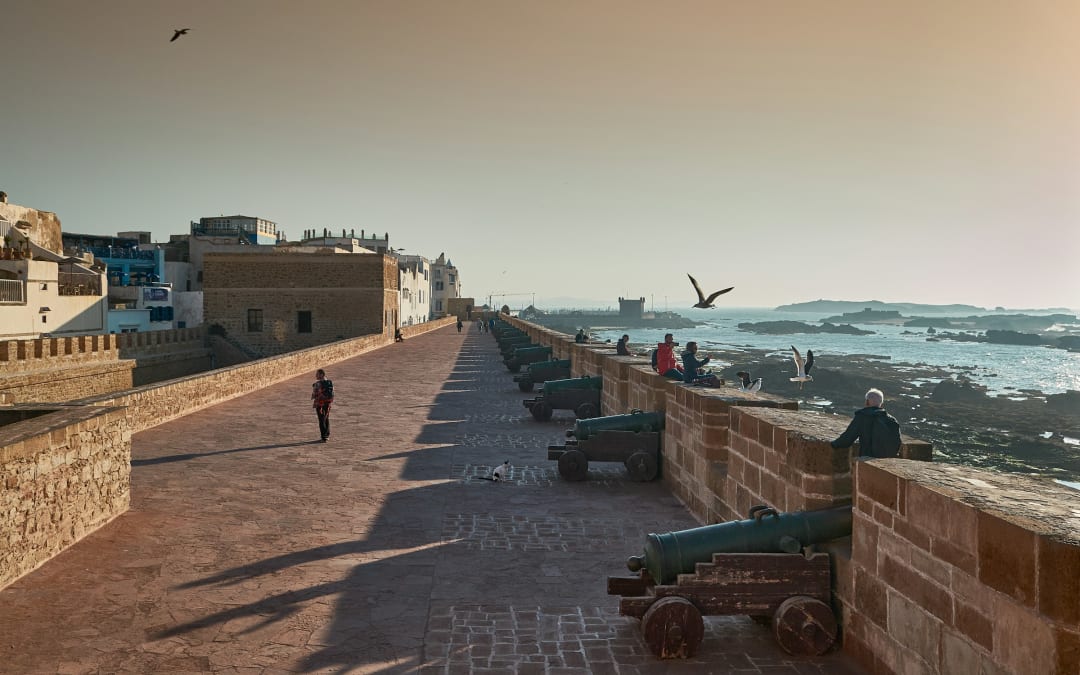
- Long drives are done in the morning, when the roads are clear and everyone is rested. A Marrakech – Merzouga or Marrakech – Essaouira journey leaves earlier than usual.
- When the fast is broken, if you are on the road, the driver takes a short break to eat a few dates and drink. It takes ten to fifteen minutes and is part of the journey.
- Airport arrivals around ftour time go very smoothly: the roads are empty and the journey is often quicker than usual.
Trains, buses and grands taxis
Trains and buses run normally during the month, but they are packed in the days before Eid, when millions of Moroccans travel home to their families. If you are travelling then, book your tickets several days ahead; our guide to CTM and Supratours buses explains how. Grands taxis become scarce and more expensive as the holiday approaches.
Day trips during Ramadan
Day trips run as normal. Lunches planned at roadside restaurants or with local families are served to travellers, and desert camps offer their usual meals. Guides and drivers who are fasting remain professionals; we simply avoid scheduling very demanding hikes in the middle of the day.
A few ideas that work particularly well:
- Morning outings, such as a balloon flight at dawn or a day in the Atlas, back by mid-afternoon.
- A night in the desert, where the ftour is sometimes shared with the camp team over harira and dates.
- An evening in the medina, where the atmosphere after the fast is broken is unlike anything else: see our list of things to do in Marrakech.
Eid al-Fitr: one or two days apart
On Eid and the day after, many shops, neighbourhood restaurants and offices close, and families get together. Hotels, riads and our transfers keep running, but it is a poor day for shopping in the souks. Roads are very busy the day before, then quiet on the day itself.
Should you travel during Ramadan?
Yes, if you accept a slightly different rhythm. The advantages are real: quiet mornings for sightseeing, very lively evenings, and a unique chance to see the country in a different light. The only real drawbacks are the rush hour before the ftour and the crowded transport around Eid, both easy to avoid with a little planning. To understand how our journeys work, our guide to private tourist transport in Morocco is a good place to start.
Booking
Our Marrakech airport transfer runs 24 hours a day throughout Ramadan, at a fixed price per vehicle. For the desert, the 3-day Merzouga tour and the private transfer from Marrakech to Merzouga leave early in the morning to avoid the end-of-day traffic. For your days with a driver, see our article on hiring a private driver in Marrakech.